Delving into Best Japanese Movies of All Time, this genre of film is incredibly influential in global film culture, reflecting the nation’s profound heritage of storytelling and art.
Japanese filmmaking has a rich history that spans several decades, with key events like the introduction of film technology in the early 20th century, and the significant impact of Japanese film festivals, such as the Tokyo International Film Festival, which has played a pivotal role in promoting Japanese cinema globally.
Classic Japanese Films: Best Japanese Movies Of All Time
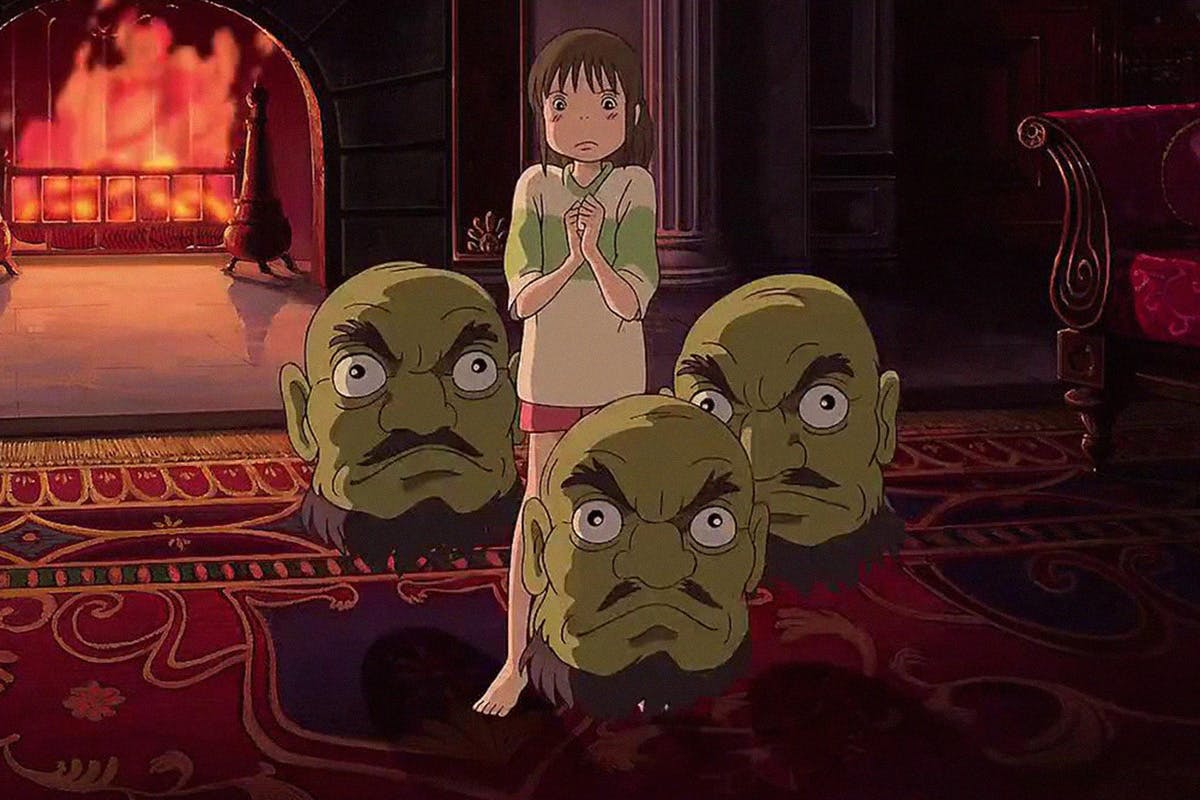
Classic Japanese films, particularly those from the 1950s and 1960s, have played a significant role in shaping the country’s cinematic identity and leaving a lasting impact on global film culture. This period saw the rise of influential directors and the creation of timeless masterpieces that continue to influence contemporary cinema.
Notable Influential Films
The 1950s and 1960s were marked by the emergence of several influential films that not only captivated domestic audiences but also gained international recognition. Films such as Tokyo Story (1953) and Seven Samurai (1954) showcased the directorial genius of iconic filmmakers like Yasujirō Ozu and Akira Kurosawa.
- Tokyo Story (1953) directed by Yasujirō Ozu, is a poignant family drama that explores the changing values and relationships within the post-war Japanese household. This masterpiece is renowned for its nuanced portrayal of the human condition, effectively conveying the decline of traditional values and the rise of modernity.
- Seven Samurai (1954) directed by Akira Kurosawa, is a highly acclaimed epic that tells the story of a group of samurai who band together to protect a rural village from bandits. This classic film is celebrated for its well-crafted narrative, memorable characters, and innovative cinematography, which set the tone for many future action-dramas.
The Impact of Classic Japanese Films on Contemporary Cinema
Classic Japanese films have had a profound impact on the global film industry, with many filmmakers continuing to draw inspiration from the techniques, themes, and storytelling styles of these iconic movies. The works of Kurosawa and Ozu, in particular, have influenced generations of filmmakers, from Martin Scorsese to Quentin Tarantino, who have often referenced or paid homage to these classics in their own films.
Key Directors of the Period
Akira Kurosawa and Yasujirō Ozu are two of the most influential directors of the 1950s and 1960s, whose contributions to Japanese cinema continue to be celebrated and studied worldwide. Other notable directors from this period include:
- Akira Kurosawa (1910-1998): Known for his visually stunning and philosophically rich films, Kurosawa directed classics like Rashomon (1950) and Ran (1985).
- Yasujirō Ozu (1903-1963): Ozu is famous for his contemplative and intimate portraits of everyday Japanese life, as seen in Tokyo Story and Late Spring (1949).
- Hiroshi Teshigahara (1927-2001): Teshigahara was a versatile director who explored various genres, from psychological thrillers like The Man Who Left Home (1963) to the critically acclaimed Prizmah (1952).
Japanese Film Genres

Japanese cinema is renowned for its diverse film genres, each offering a unique window into the nation’s culture and storytelling traditions. From the dark alleys of film noir to the vibrant worlds of anime, Japan’s film industry has captivated audiences worldwide with its innovative storytelling and style.
Concept of Film Noir in Japanese Cinema
The concept of film noir in Japanese cinema is closely associated with the Pink Film genre. Emerging in the 1970s, Pink Films are characterized by their focus on eroticism, often combined with elements of drama, comedy, or horror. These films typically feature complex characters and intricate plotlines, showcasing the darker aspects of human nature. Pink Films often pushed the boundaries of censorship, exploring themes previously considered taboo in mainstream Japanese cinema. Key directors associated with the Pink Film genre include Toshio Mata and Kazuhiko Yamaguchi, whose works remain influential in Japan’s film industry.
Significance of Anime and its Various Subgenres
Anime is a cornerstone of Japanese animation, representing a fusion of creativity, technology, and storytelling. The medium encompasses a vast array of subgenres, catering to diverse tastes and demographics. Some notable examples include:
- Action anime, characterized by its fast-paced action sequences and complex fight choreography, has gained immense popularity across the world. Examples include Naruto and Dragon Ball.
- Romance anime often focuses on sentimental relationships, typically between male and female characters. Titles such as Love Hina and Clannad have gained a dedicated fan base.
- Science fiction anime frequently explores futuristic worlds, artificial intelligence, and other thought-provoking themes. Examples include Ghost in the Shell and Akira.
The significance of anime lies in its ability to bridge cultural and linguistic divides, offering a platform for storytellers to engage global audiences with unique perspectives and ideas.
Comparing and Contrasting Different Japanese Film Styles
Japanese cinema encompasses a diverse range of film styles, each with its own distinct characteristics and themes. The following table provides a comparison of various Japanese film styles:
| Genre | Description | Key Characteristics |
|---|---|---|
| J-Horror | A subgenre of horror films that originated in Japan, focusing on the supernatural and often featuring dark, atmospheric settings. | Use of psychological tension, eerie settings, and shocking plot twists. |
| J-Drama | A genre of films that emphasizes character-driven storytelling and often focuses on the complexities of human relationships. | Realistic portrayals of everyday life, exploration of social issues, and character development. |
These film styles, while distinct, share a common thread in their ability to capture the essence of Japanese culture and storytelling traditions.
Anime Subgenres: A Closer Look
Anime has branched out into various subgenres, catering to diverse tastes and demographics. Here are some notable examples:
- Action Anime: Characterized by fast-paced action sequences and complex fight choreography, action anime has gained immense popularity worldwide. Titles such as Naruto and Dragon Ball have become household names.
- Romance Anime: Focusing on sentimental relationships between male and female characters, romance anime has a dedicated fan base. Titles like Love Hina and Clannad have captured the hearts of audiences worldwide.
- Science Fiction Anime: Exploring futuristic worlds, artificial intelligence, and other thought-provoking themes, science fiction anime often pushes the boundaries of storytelling and imagination. Titles such as Ghost in the Shell and Akira have become classics in the anime genre.
These subgenres, and many others, contribute to the richness and diversity of anime, making it an integral part of Japanese popular culture.
Comparing Film Noir and Anime
While film noir and anime may seem like vastly different genres, they share some common threads in their focus on complex characters, intricate plotlines, and exploration of the human condition. However, key differences exist in their approach to storytelling, tone, and target audience.
- Setting: Film noir often takes place in dark, crime-ridden cities, while anime can range from futuristic worlds to everyday high school settings.
- Tone: Film noir tends to be darker and more serious, while anime can range from action-packed to sentimental.
- Target Audience: Film noir often caters to adult audiences, while anime can be geared towards a wide range of demographics, including children and adults.
These differences reflect the unique strengths and characteristics of each genre, allowing them to coexist and contribute to the richness of Japanese popular culture.
Famous Japanese Film Directors
Japanese cinema has been shaped by a multitude of visionary directors who have left an indelible mark on the industry. Their pioneering works have not only influenced Japanese filmmaking but have also inspired global audiences. From the iconic films of Akira Kurosawa to the nuanced stories of Hirokazu Kore-eda, these directors have consistently pushed the boundaries of storytelling.
Acclaimed Male Directors
Japanese cinema has been blessed with some of the most influential male directors in history. One name that stands out is Akira Kurosawa, whose visually stunning films like ‘Seven Samurai’ (1954) and ‘Rashomon’ (1950) have become classics of world cinema.
- Kurosawa’s influence can be seen in the works of many other directors, including Martin Scorsese and Francis Ford Coppola.
- Kurosawa’s use of long takes and innovative camera techniques inspired a generation of filmmakers.
- His film ‘Rashomon’ is widely regarded as a landmark film in the development of Japanese cinema.
Another influential director is Hirokazu Kore-eda, known for his nuanced and sensitive portrayal of human relationships in films like ‘Nobody Knows’ (2004) and ‘Shoplifters’ (2018). Kore-eda’s films often explore the complexities of family dynamics and social norms in Japan.
Notable Female Japanese Directors, Best japanese movies of all time
While female directors have historically been underrepresented in the Japanese film industry, there are several notable exceptions who have made significant contributions to the field. One such director is Naomi Kawase, known for her lyrical and introspective films like ‘She and He’ (2006) and ‘Still the Water’ (2014).
- Kawase’s films often explore the complexities of human relationships and the natural world.
- Her film ‘Still the Water’ is a poignant portrayal of the human impact on the environment.
- Kawase’s use of long takes and poetic imagery creates a dreamlike atmosphere in her films.
Another influential female director is Ryusuke Hamaguchi, known for her innovative and experimental approach to storytelling in films like ‘Asako I & II’ (2018) and ‘Drive My Car’ (2021). Hamaguchi’s films often explore themes of identity, love, and social norm.
The Evolution of Japanese Filmmaking
The careers and styles of influential Japanese directors like Kurosawa and Kore-eda have contributed significantly to the evolution of Japanese filmmaking. Their innovative approaches to storytelling and their nuanced portrayals of human relationships have inspired a new generation of directors.
- The influence of Kurosawa and Kore-eda can be seen in the works of many contemporary Japanese directors.
- The evolution of Japanese filmmaking has been shaped by a multitude of cultural and social factors, including the country’s complex history and social norms.
- The Japanese film industry continues to be a hub of creative and innovative storytelling, with many new and exciting directors emerging each year.
Last Point
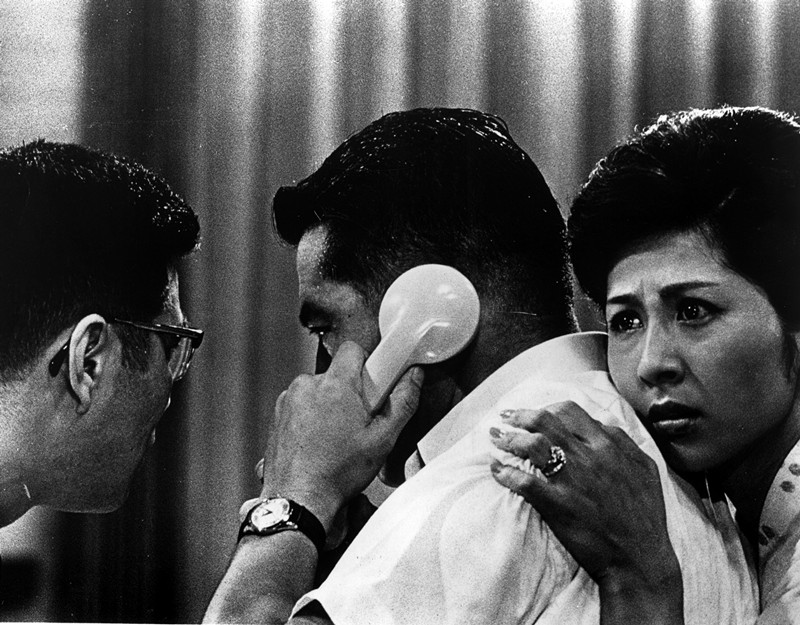
Throughout its history, Japanese cinema has undergone numerous transformations, embracing diverse styles and themes. From its early days to its modern forms, Best Japanese Movies of All Time continues to captivate audiences worldwide.
The evolution of Japanese film can never be overemphasized and remains highly influential in the global film industry, showcasing the rich cultural context of Japan and providing a unique perspective on storytelling.
User Queries
What is the significance of film noir in Japanese cinema?
Film noir in Japanese cinema refers to a genre of dark and gritty films that often feature themes of crime, despair and the struggles of everyday life in Japan.
Who are some of the most influential Japanese film directors?
Some of the most influential Japanese film directors include Akira Kurosawa, Yasujirō Ozu, and Hayao Miyazaki, who has greatly contributed to the global popularity of anime films.
What are some notable Japanese film festivals?
Notable Japanese film festivals include the Tokyo International Film Festival, the Yokohama Film Festival, and the Japan Film Festival, which showcase Japanese films and promote the nation’s cinematic heritage.
What are some popular Japanese film genres?
Popular Japanese film genres include anime, sci-fi, drama, horror and action films, such as J-horror and J-drama, which have gained significant international recognition.
How has Japanese cinema influenced global production?
Japanese cinema has had a significant influence on global production, inspiring numerous international films and filmmakers, such as Quentin Tarantino’s Kill Bill, which borrowed heavily from Japanese martial arts films.
What are some notable Japanese films that have influenced global cinema?
Notable Japanese films that have influenced global cinema include Akira Kurosawa’s ‘Seven Samurai,’ ‘Spirited Away,’ by Hayao Miyazaki, and ‘Battle Royale,’ which showcases Japan’s cutting-edge storytelling and filmmaking techniques.

